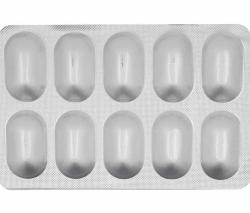
Acevah P Tablet 10s
MRP: ₹0.00
Packaging
10 TAB
Composition
Aceclofenac 100mg + Paracetamol 650mg
Company
Abbott India
MRP: ₹0.00
Packaging
10 TAB
Composition
Aceclofenac 100mg + Paracetamol 650mg
Company
Abbott India
| Medicine | Company | Price | You Save |
|---|---|---|---|
| Hifenac P Tab 15s | INTAS | ₹64.00 | — |
It is prescribed for fever, various kinds of pain and arthritis .
Paracetamol: Nausea, allergic reactions, skin rashes, acute renal tubular necrosis. Aceclofenac: Diarrhoea, headache, vertigo, dizzies, nervousness, tinnitus, depression, drowsiness, insomnia; fever, angioedema, bronchospasm, rashes; blood dyscrasias. Potentially Fatal: Paracetamol: Very rare, blood dyscrasias (eg, thrombocytopaenia, leucopaenia, neutropaenia, agranulocytosis); liver damage. Aceclofenac: Severe GI bleeding; nephrotoxicity.
Paracetamol: Reduced absorption of cholestyramine within 1 hr of administration. Accelerated absorption with metoclopramide. Aceclofenac: M0ay increase the plasma concentrations of lithium and digoxin. Increased nephrotoxicity with diuretics. Serum-potassium should be monitored when used with potassium-sparing diuretics. May enhance activity of anticoagulants. May increase plasma methotrexate levels leading to toxicity if administered within 2-4 hr of methotrexate admin. Risk of convulsions with quinolones. Potentially Fatal: Paracetamol: Increased risk of liver damage in chronic alcoholics. Increased risk of toxicity with high doses or long term admin of barbiturates, carbamazepine, hydantoins, isoniazid, rifampin and sulfinpyrazone.
Hypersensitivity. Moderate to severe renal or hepatic impairment; severe heart failure; pregnancy (third trimester).
Aceclofenac is a phenylacetic acid derivative that inhibits synthesis of the inflammatory cytokines interleukin-1b and tumour necrosis factor, and inhibits prostaglandin E2 production. It increases glycosaminoglycans (GAG) synthesis, the principal macromolecule of the extracellular matrix, which aids in repair and regeneration of articular cartilage. Thus, aceclofenac has +ve effects on cartilage anabolism combined with modulating effect of matrix catabolism. Paracetamol has analgesic and antipyretic action with weak anti-inflammatory activity. It produces analgesia by increasing pain threshold and antipyresis by acting on the hypothalamic heat-regulating centre. Absorption: Aceclofenac: Rapidly absorbed; almost 100% bioavailability; peak plasma levels reached about 1.25-3 hr after oral admin. Distribution: Aceclofenac: >99.7% bound to plasma proteins; distributes into synovial fluid. Paracetamol: Distributes throughout most fluids of the body. Metabolism: Aceclofenac: Probably metabolised by CYP2C9; average plasma elimination half-life: 4-4.3 hr. Paracetamol: Mainly metabolised hepatically; plasma elimination half-life: 1-4 hr. Excretion: Aceclofenac: About two-thirds of the administered dose is removed in the urine, mainly as conjugated hydroxymetabolites. Paracetamol: Most metabolites are removed in the urine within 24 hr.
GI disease; renal or hepatic impairment; alcohol-dependent patients; asthma or allergic disorders; haemorrhagic disorders; hypertension; cardiac impairment. Elderly. Caution when driving or operating machinery. Monitor renal and hepatic function and blood counts during long term treatment. Persistently elevated hepatic enzyme levels may require drug withdrawal. Pregnancy, lactation.
Take orally with food and water, as directed by your physician.
Keep in a cool, dry place away from sunlight and moisture.
This content is for educational purposes only. Please consult your doctor before use.
| Brand Name | Form | Price |
|---|---|---|
| 3 Mix Cream 10gm | CREAM | ₹0.00 |
| Abixim 200 mg Tablet | TAB | ₹104.85 |
| Abmetop 25 XL Tablet | TAB | ₹41.60 |
| Abocal 500 mg Tablet 15s | TAB | ₹119.68 |
| AbTorsmed 10mg Tablet 10s | TAB | ₹62.41 |
| AbTorsmed 20mg Tablet 10s | TAB | ₹101.81 |
| Abvida 50mg Tablet 15s | TAB | ₹150.00 |
| Abvida-M 50/500 Tablet 15s | TAB | ₹180.00 |
| Acevah P Tablet 10s | TAB | ₹0.00 |
| Acevah PS Tablet 10s | TAB | ₹74.00 |
| Acitrom 0.5 mg Tablet 10s | TAB | ₹47.70 |
| Acitrom 0.5mg Tablet 10s | TAB | ₹52.40 |
| Acitrom 1 mg Tablet 10s | TAB | ₹164.90 |
| Acitrom 2 mg Tablet 10s | TAB | ₹258.30 |
| Acitrom 3 mg Tablet 10s | TAB | ₹329.70 |
Written by: SastiMedic Medical Team
Reviewed by: Registered Pharmacist